
When you think about California, what springs to mind? Sunshine? Perhaps the Pacific Coast Highway or Malibu, the hills of San Francisco, sandy deserts and Yosemite National Park? All wonderful destinations within this beautiful state. What you may want to consider on your next visit is a detour to Sequoia & Kings Canyon National Park. I’ll tell you a little secret – it’s probably my favourite destination in California. On that basis, I’ve put together a guide to visiting Sequoia National Park, taking in the best scenery, hikes and accommodation.
“The clearest way into the Universe is through a forest wilderness.” John Muir
I love mountain scenery. If you’re a regular reader, this won’t come as a shock to you. The great outdoors are my happy place, and the national parks of the USA are vast expanses of beauty. Sequoia National Park’s neighbour Yosemite National Park is breathtakingly beautiful, which draws crowds. This can sometimes make it challenging to take full advantage of the area. Sequoia National Park, while still having a high volume of tourists, is generally quieter providing a better experience in nature. Visiting Sequoia National Park feels like a true escape to the wilderness.
Making bookings through links on this page will earn me a small commission and assist in the upkeep of this website at no extra cost to you, which is very much appreciated.
Visiting Sequoia National Park – Where is it?
Sequoia National Park is located centrally in California, to the south east of Yosemite National Park and directly to the west of Death Valley National Park. The only access by car into the national park is from the west, via Fresno or Visalia – something worth considering when planning a road trip itinerary. Sequoia National Park was founded in 1890 covering 631 square miles, whereas the adjoining Kings Canyon National Park was founded in 1940 covering 722 square miles.
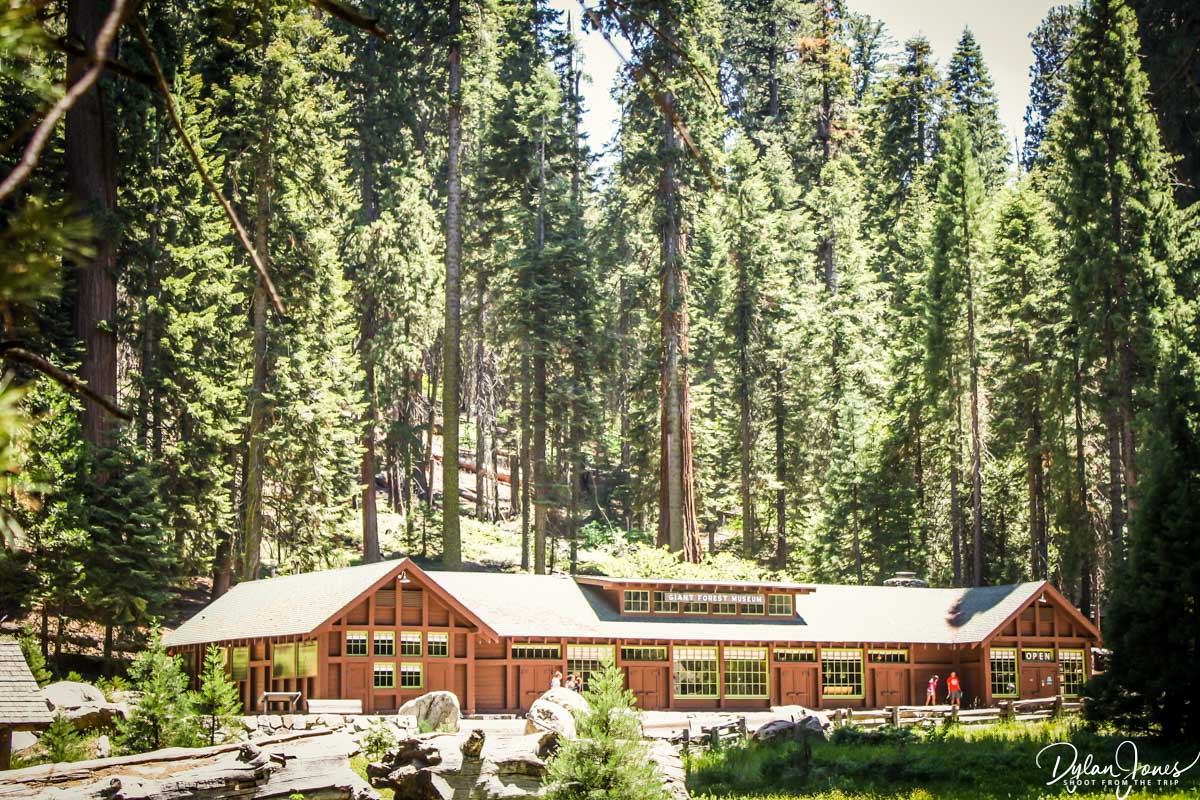
Unsurprisingly there may be a giveaway in the park name as to its redeeming feature. Sequoia National Park features a collection of the world’s largest trees, including the largest living tree in the world – the General Sherman Tree. Neighbouring Kings Canyon National Park, on the other hand, features a canyon – Kings Canyon. At 1,600m deep, Kings Canyon is the deepest canyon in the USA. It’s also home to the tallest mountain in the USA, Mount Whitney, at 14,505 feet or 4,421 m.
Add to all of this some beautiful lakes, lush green meadows, epic waterfalls, fantastic wildlife and miles and miles of hiking trails and you can see why visiting Sequoia National Park is a must on any West Coast USA road trip itinerary.
Where to stay when visiting Sequoia National Park?
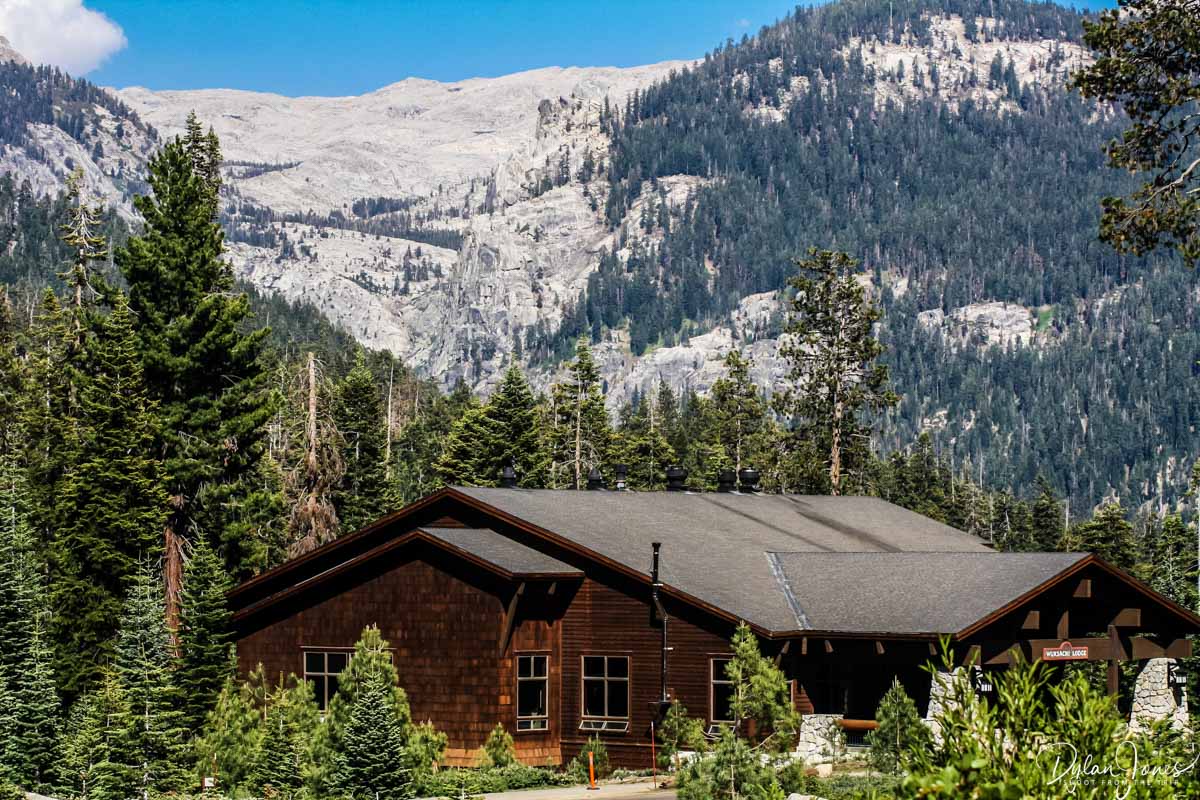
On both visits to Sequoia National Park, our base for the trip has been at the fantastic WUKSACHI LODGE, located centrally in the National Park. Despite feeling like a remote location, it is close to many of the park’s main scenic viewpoints and accessed directly from the Generals Highway. Focused around a central building – a large mountain lodge which houses the reception area, a retail store, the Peaks Restaurant and a bar & lounge, it has a cosy and welcoming feel, and is great place to spend the evenings after a day exploring the wilderness.
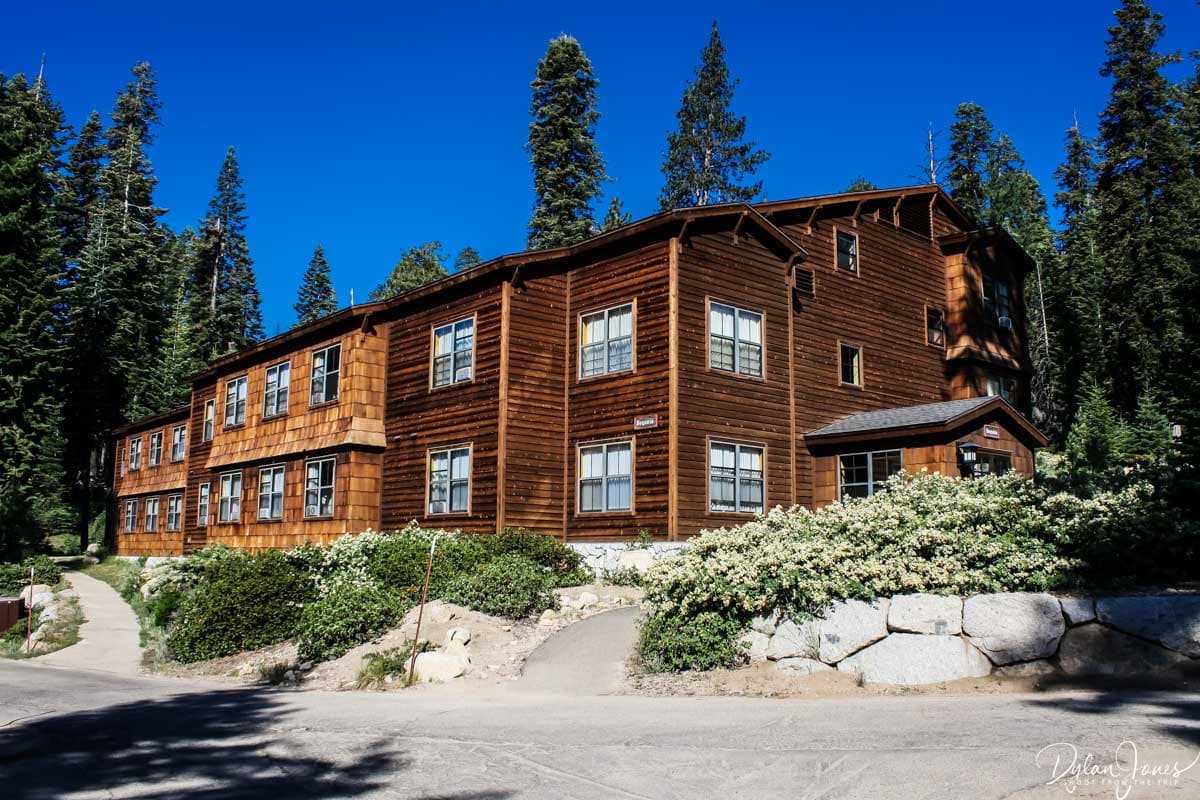
Accommodation is housed in three separate buildings which are located 100-200 yards away from the main lodge, featuring stylish guest rooms which are decorated to compliment the surroundings. With standard, deluxe and superior options available, these bright and spacious rooms are equipped with everything you need for your stay.
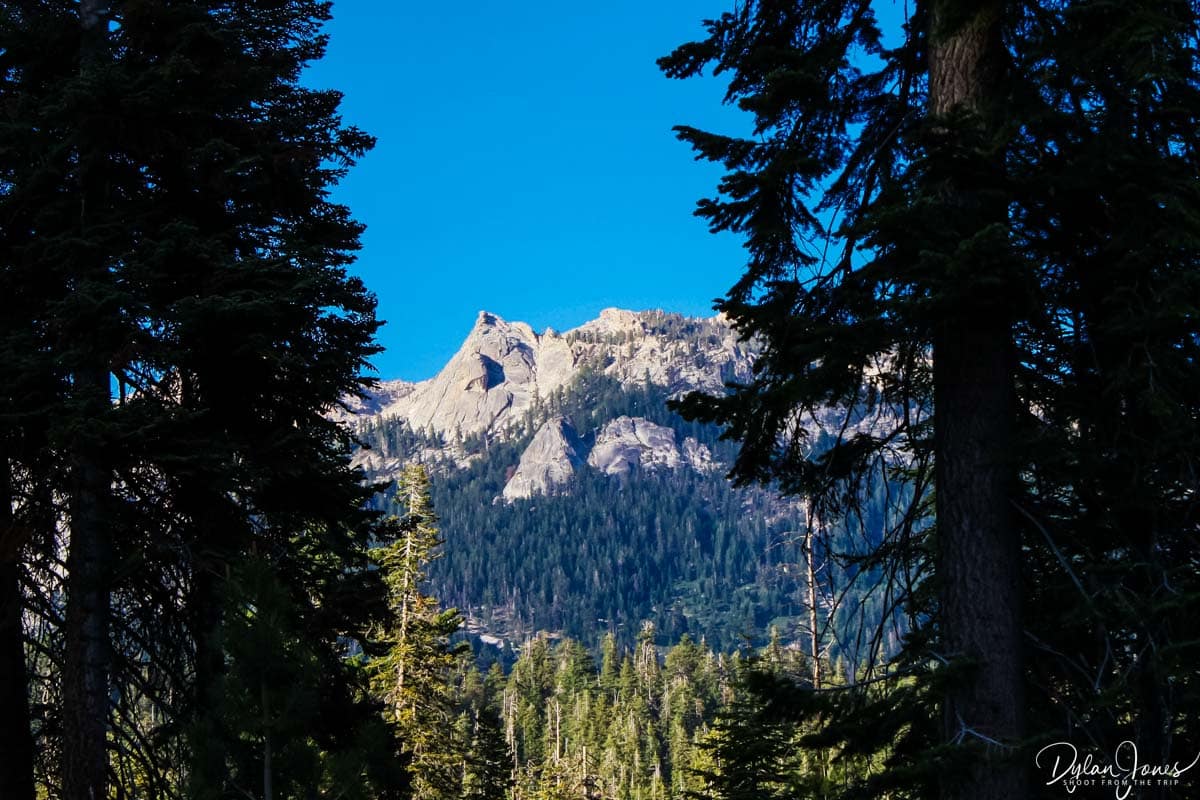
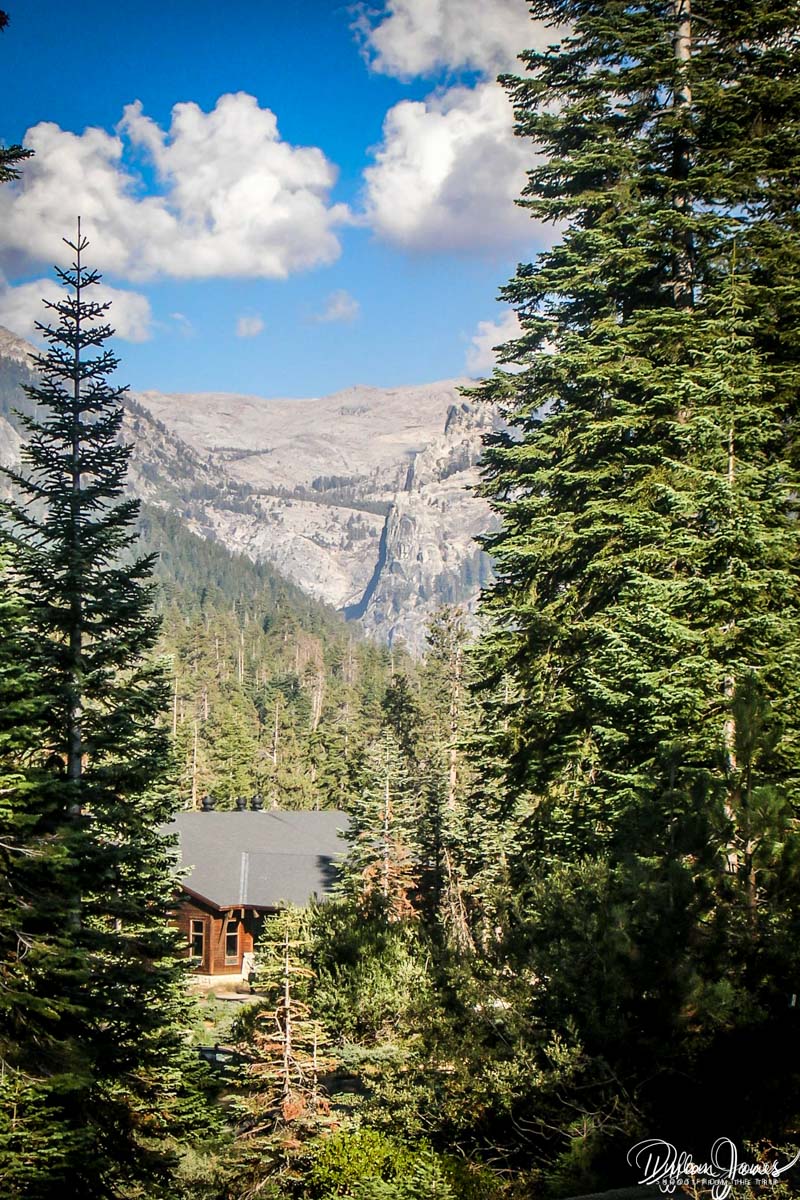
Views from the accommodation buildings towards the main lodge building are spectacular. Wuksachi Lodge sits nestled in the trees with the backdrop of the magnificent Kings Canyon. Deer will often be seen roaming around the ground of the lodge, adding to the charm of the location. Speaking of wildlife, when visiting Sequoia National Park (or any of the national parks in this region of North America), it’s important not to leave any food in your car overnight? Why, I hear you ask? Well, simply put, bears.
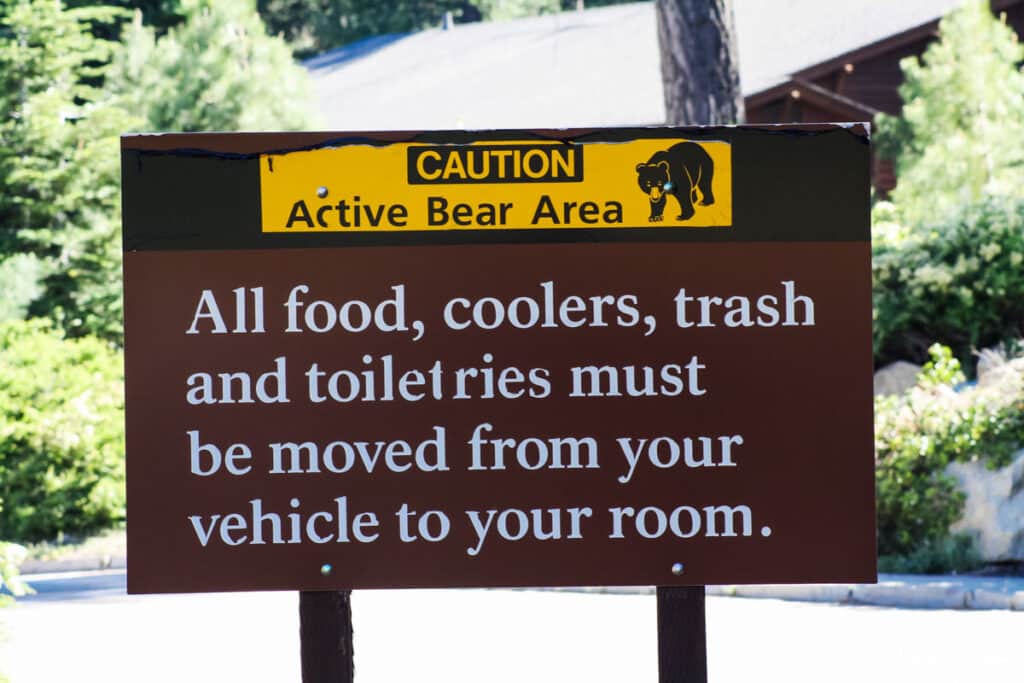
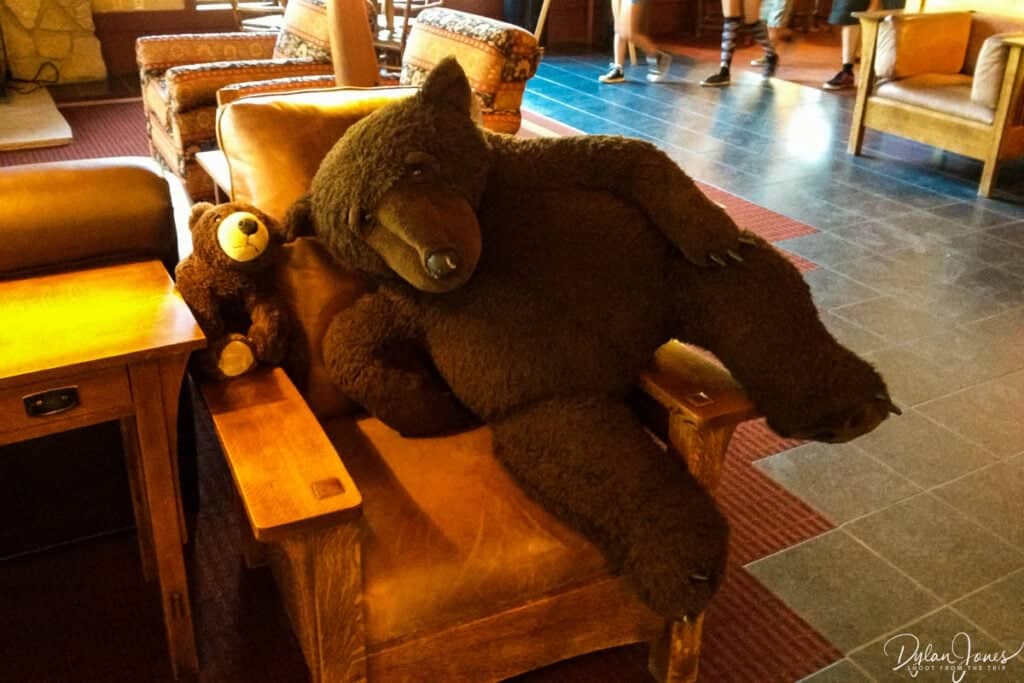
American black bears live in these parks and there’s a good chance you might spot one during your trip. The time you don’t really want to see them is when they are tearing open your hire car to get at the yummy smelling food that you have left in the boot (or trunk)! You’ll find plenty of information at Wuksachi Lodge, about how to deal with a bear encounter. The only bear encounter we had at the lodge, was with Eddie ‘Bearington’. Popping up at the breakfast table with a newspaper, or lounging in the bar area, Eddie was present on both of our visits and hope he’ll still be there when we next return.
The best short hikes when visiting Sequoia National Park
The great thing about visiting Sequoia National Park is the sheer number of hikes and viewpoints that are easily accessible. Whilst the more seasoned hikers have a range of challenging hikes on offer, there are so many short hikes and viewpoints where you can get really close to some of the most spectacular trees and scenery the park as to offer.
Note: The KNP Complex fire late in 2021 caused significant damage to some areas of Sequoia National Park. While most accommodations and hiking trails in the Giant Forest area are open, please check on the official SEQUOIA AND KINGS CANYON NATIONAL PARK website for all the latest information and conditions.
Explore close to home on the Wuksachi Trail
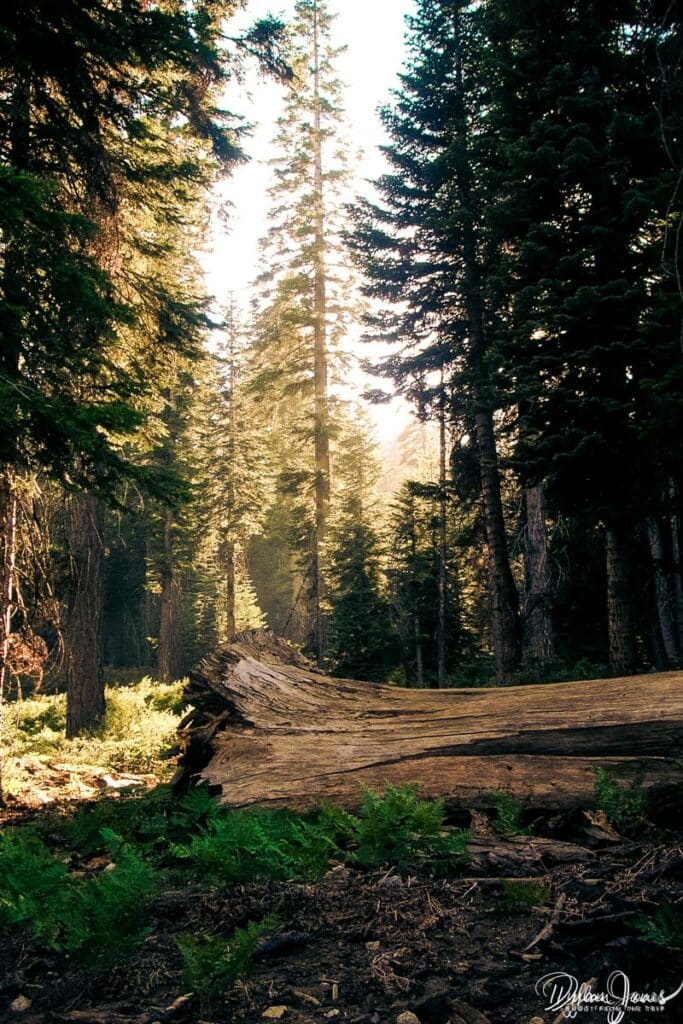
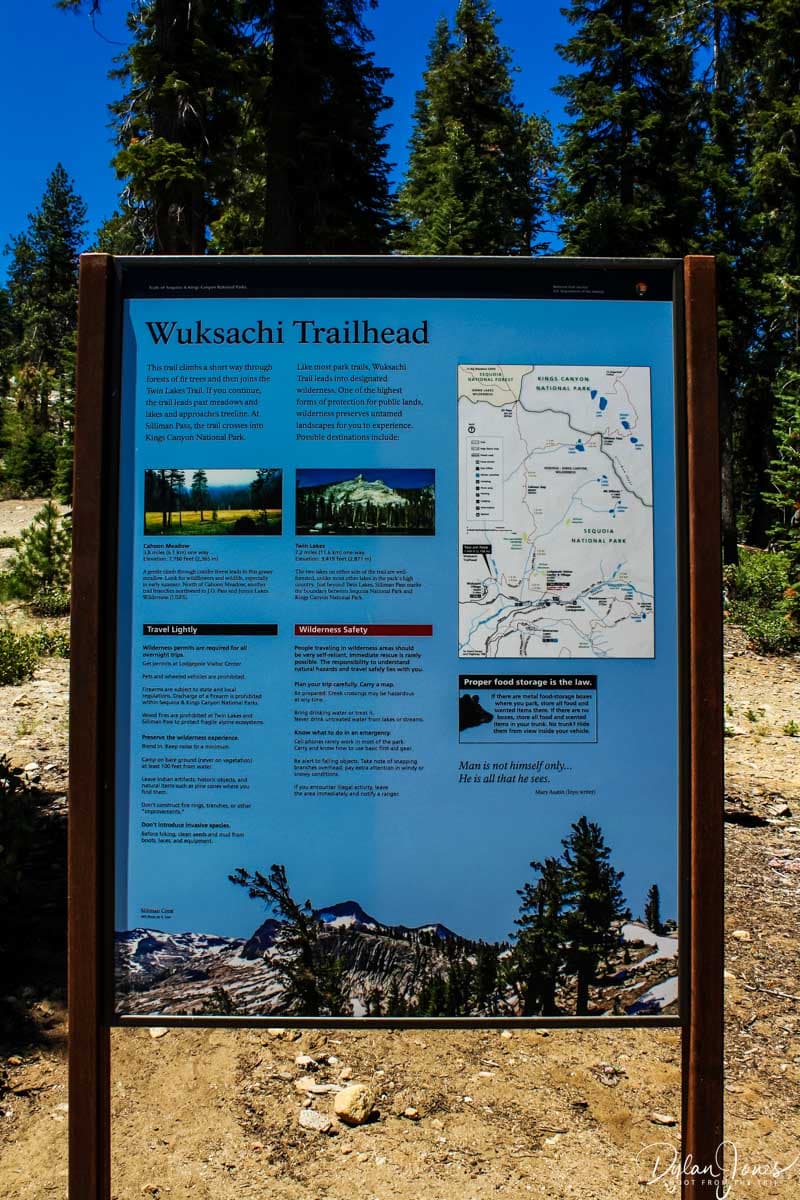
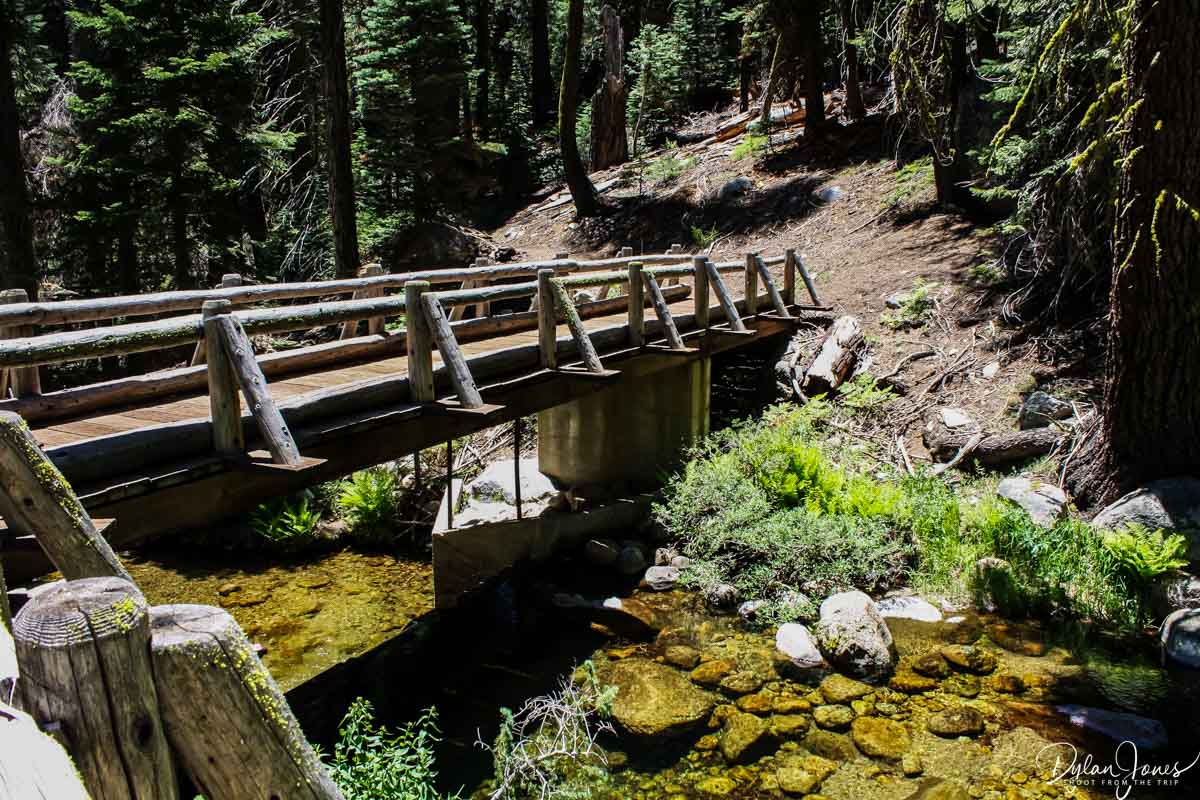
If, like us, Wuksachi Lodge is your accommodation choice, there is a fabulous trail to the rear of the property. From the Wuksachi Trailhead, the Wuksachi Trail is a relatively overlooked trail that leads into the forest, crossing rivers before joining the Twin Lakes Trail about 2km in. Heading south at this point leads towards the Lodgepole Visitor Centre where you can take a shuttle back up to the Wuksachi Lodge. A peaceful walk, surrounded by the sheer beauty of the forest. Heading north on the Twin Lakes Trail provides the opportunity to extend the hike if desired.
The Giant Forest of Sequoia National Park
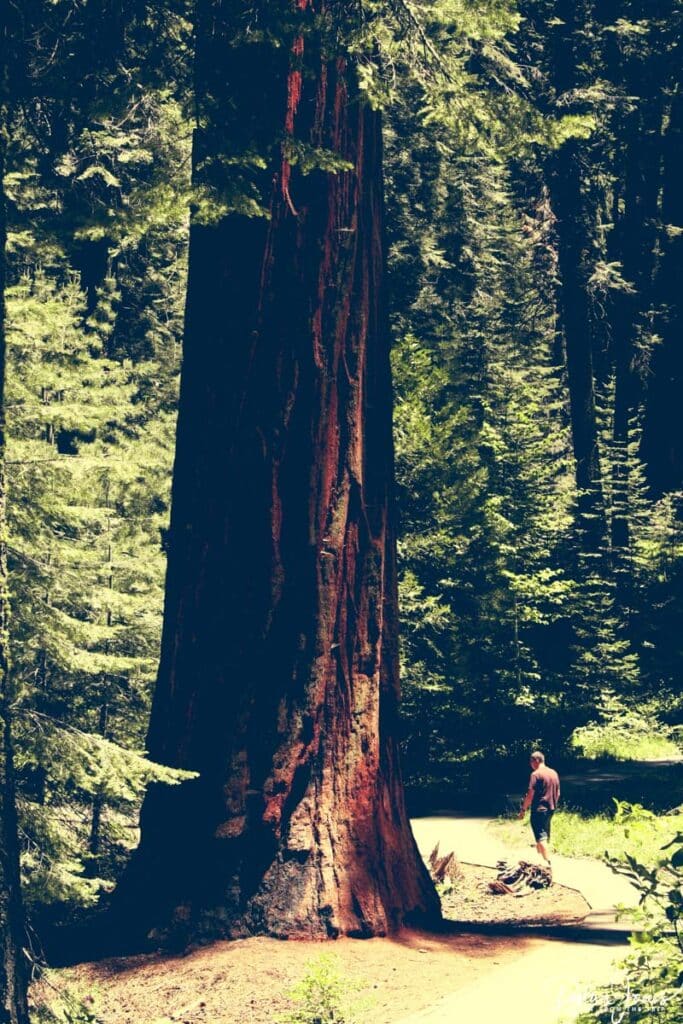
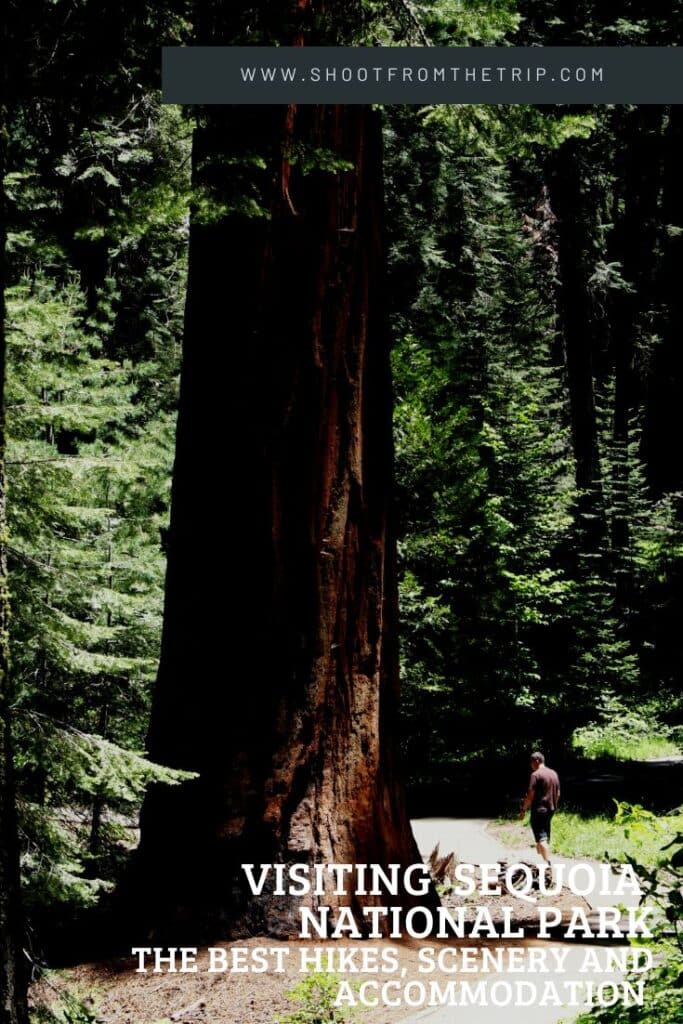
We spent a lot of our time in the Giant Forest area when visiting Sequoia National Park. If you are visiting these parks, chances are that you want to see trees. Big trees. So, the aptly named Giant Forest is the place to be. The Giant Forest is home to five of the ten largest trees in the world. The Giant Sequoia or Sequoiadendron gigantium, also commonly known as the Giant Redwood, can reach up to 280 feet in height and is among the oldest living things on earth, the oldest known by ring count is 3500 years old.
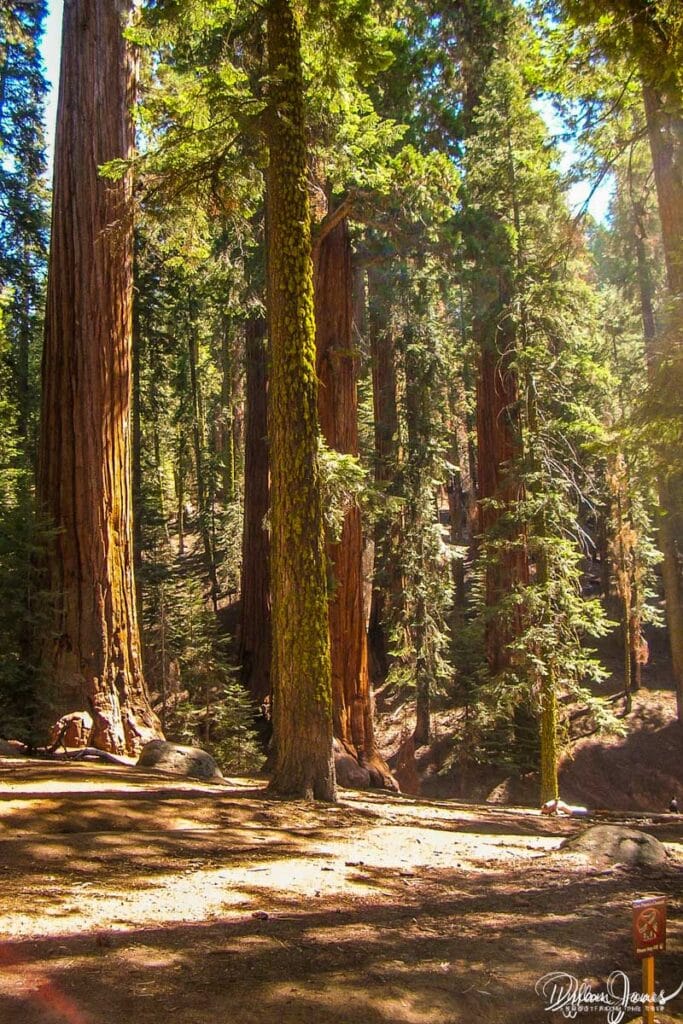
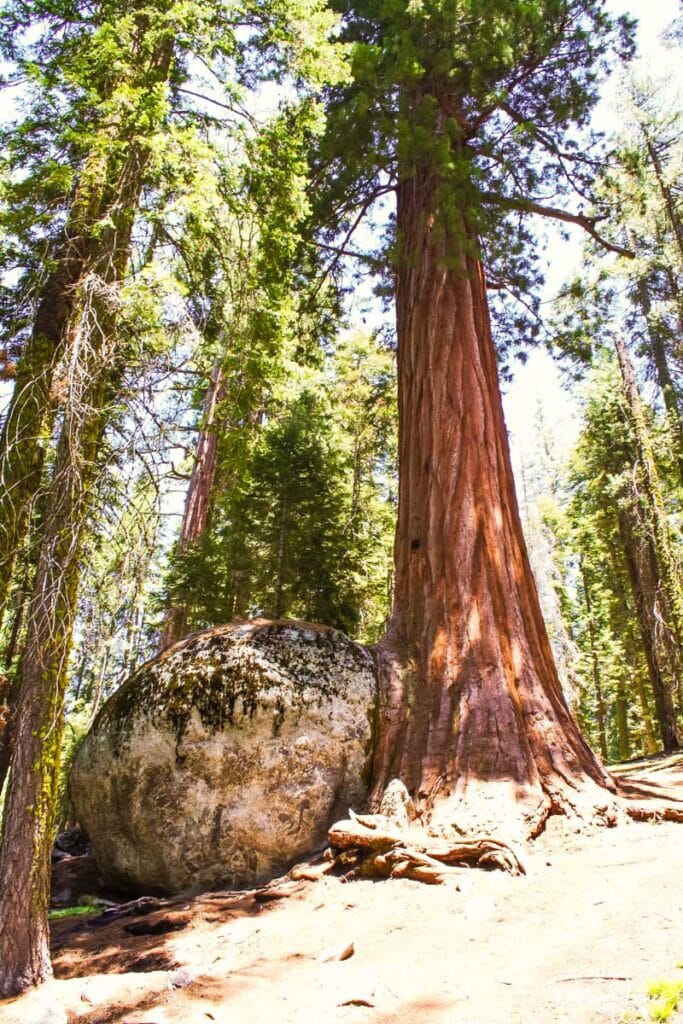
Currently, the largest of these trees is the General Sherman Tree. Standing at 275ft tall and 36ft in diameter, the location of the General Sherman is one of the most popular destinations in the park. There are plenty of short hiking trails around the Giant Forest area which give you access to the largest collection of giant sequoias, as well as providing some fantastic scenic viewpoints of the national park.
Big Trees Trail
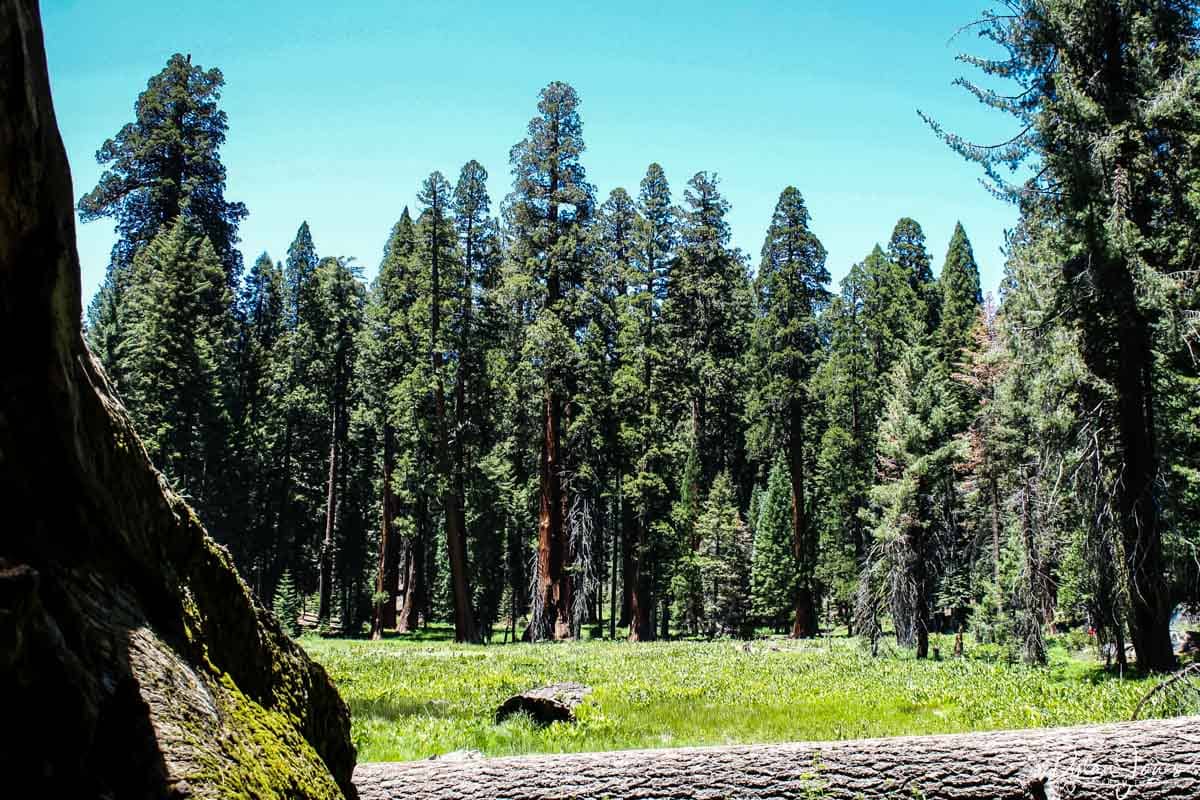
Starting at the Giant Forest Museum, the Big Trees Trail is a circular trail of ¾ mile, that follows an accessible paved route around the edges of Round Meadow. Taking a walk around this spot in early summer, the bright green grass of the meadow contrasting with the golden bark of the sequoias climbing into the sky is a stunning sight.
General Sherman Tree Trail
From the parking lot, the trail is approximately ½ a mile downhill into the giant sequoia grove, with steps at some sections. An accessible trail is also available. It’s a leisurely walk down, wandering amongst these magnificent tress, but whilst the return trip is not steep, given the high elevations of the park, it might leave you a bit breathless when you get back to the top. Dotted around the trail are some exhibits detailing the history of these giant sequoias.
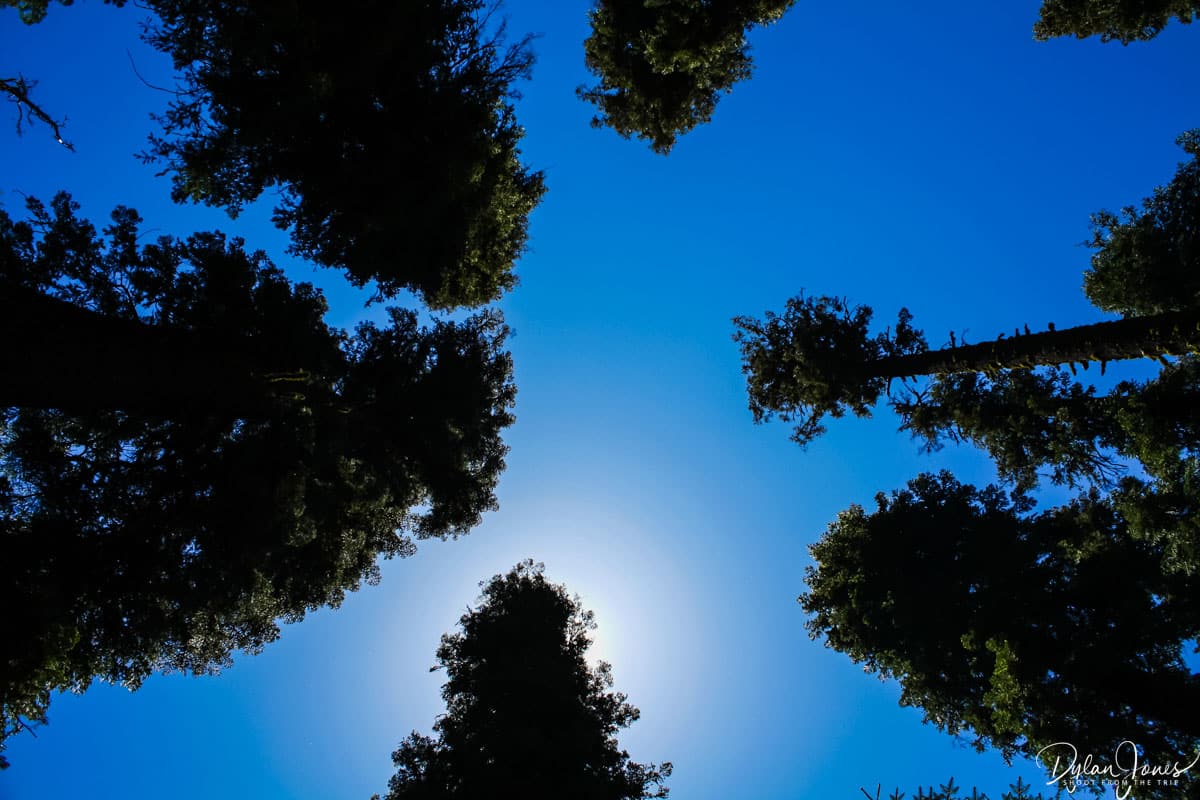
Crescent Meadow Loop
A similar hike to the Big Trees Trail, the Crescent Meadow Loop hike takes in a 1.8 mile circular route around stunning Crescent Meadow, a beautiful clearing surrounded by sequoias and firs. It’s a little further off the main route, so generally a bit quieter that the Big Trees Trail, but equally as beautiful. The drive to Crescent Meadow parking lot will take you past the famous Tunnel Log, a car tunnel that was carved out of a fallen sequoia in 1938.
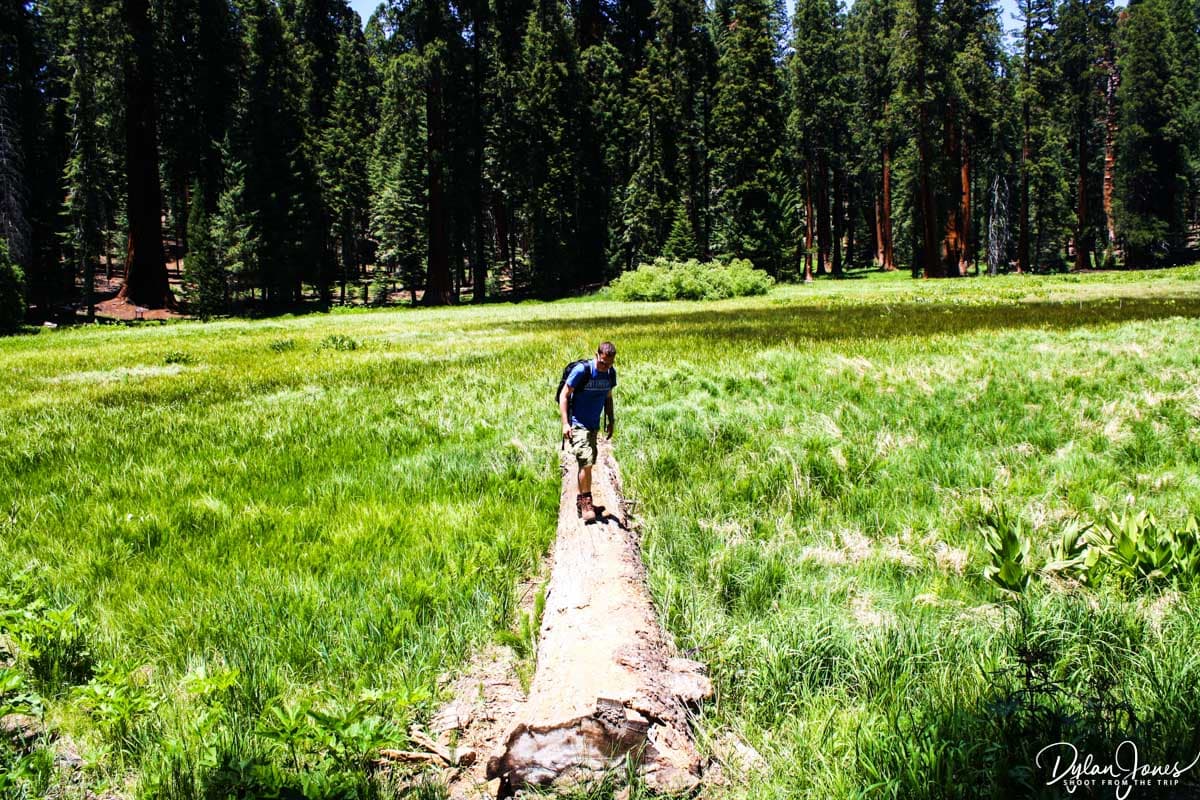
General Grant Tree Trail
At 0.6 miles round trip, the General Grant Tree Trail is a simple hike along a paved pathway, leading to park’s second most famous tree and the second largest tree in the world, at 267 feet. Interesting fact. The General Grant Tree was proclaimed as the Nation’s Christmas Tree in April of 1926 by the then president, Calvin Coolidge.
Magnificent mountain views on the Moro Rock Trail
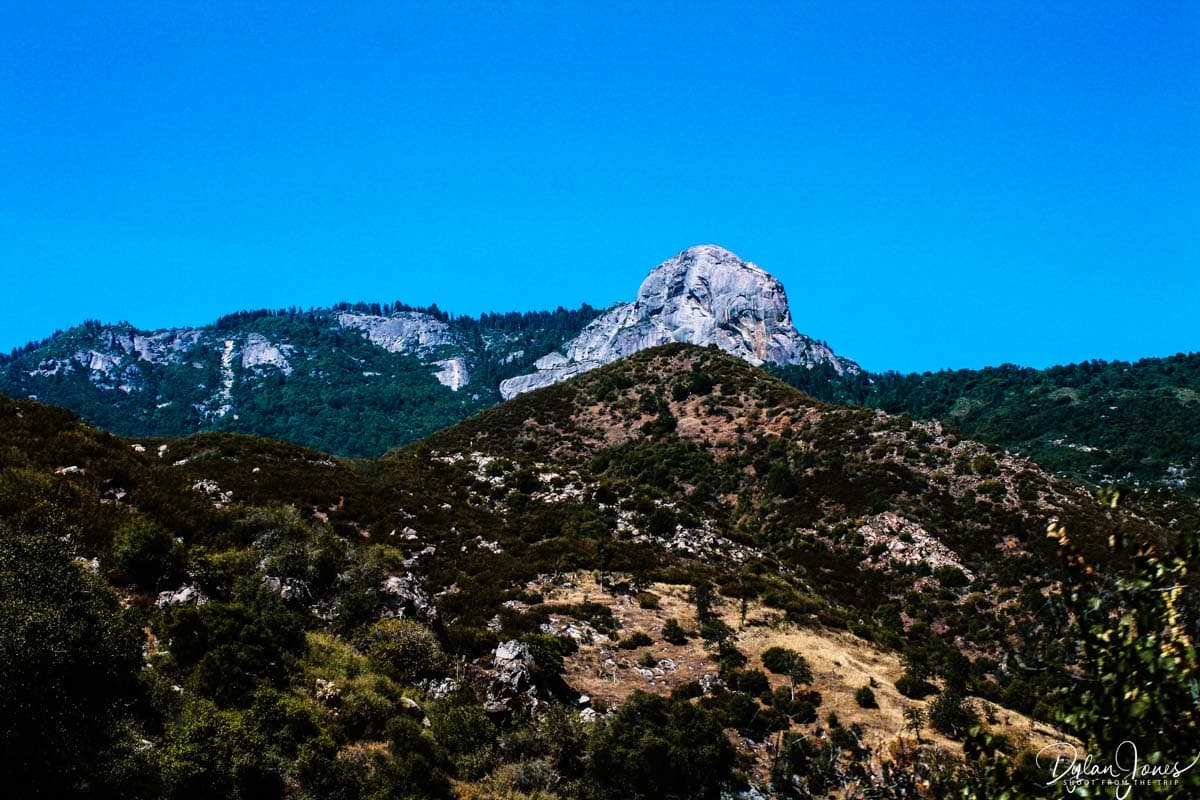
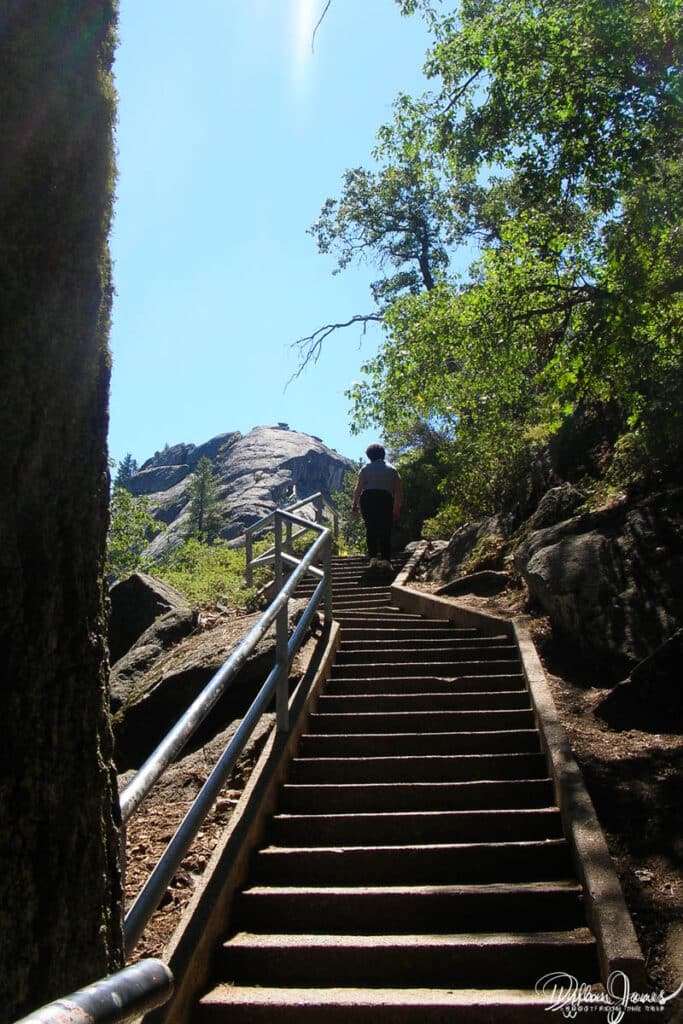
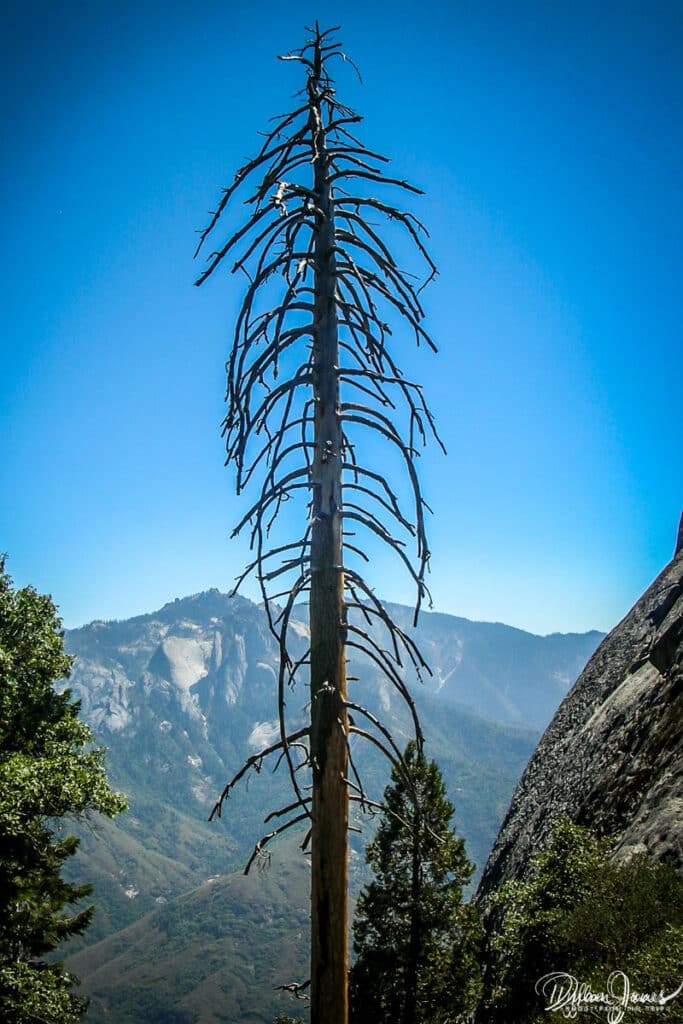
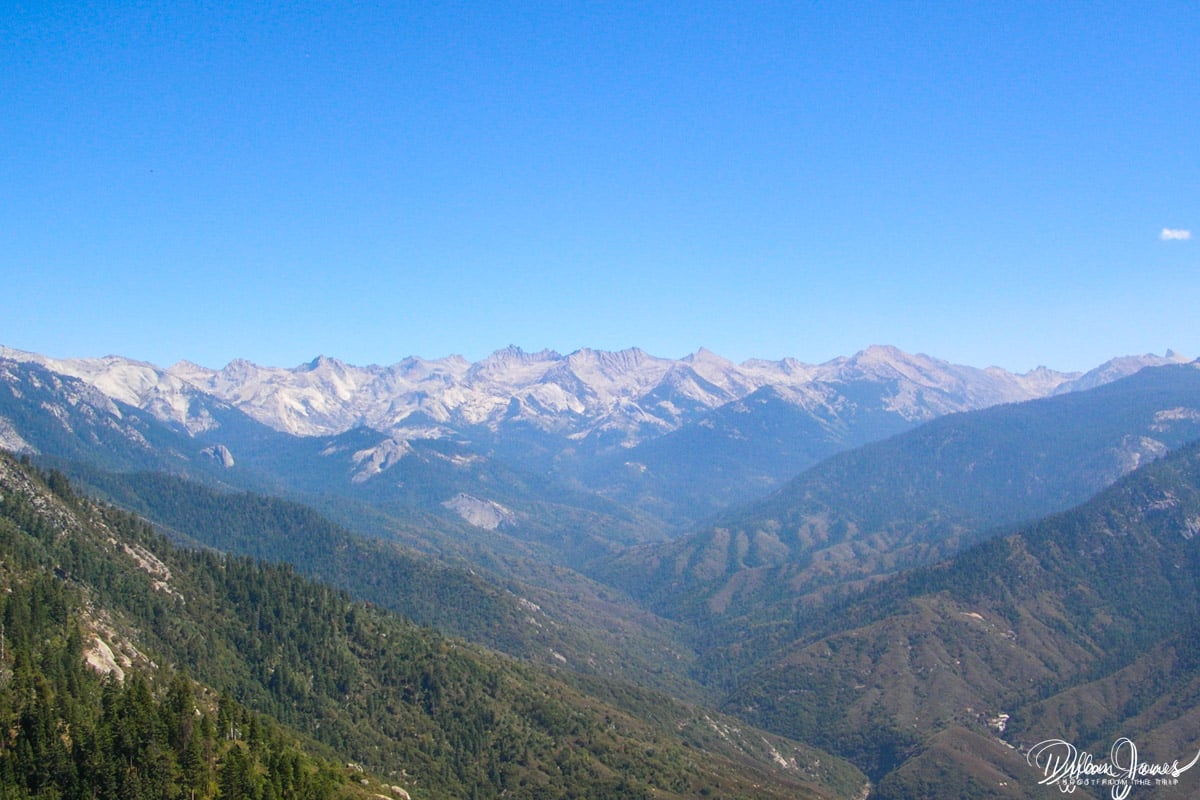
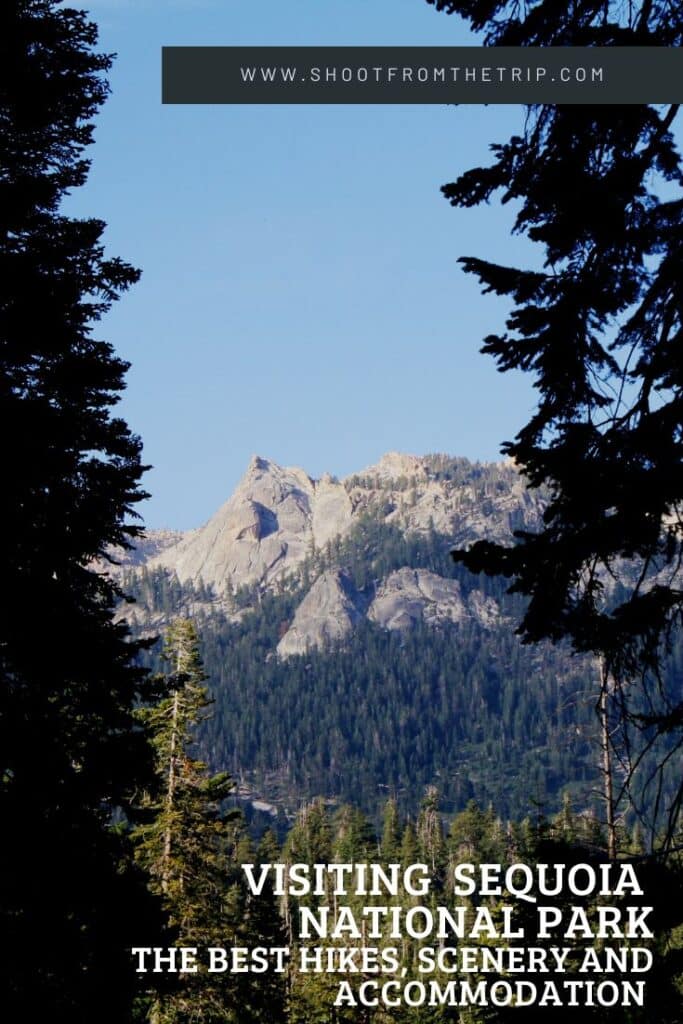
A must do when visiting Sequoia National Park, Moro Rock is a granite dome that sits perched on the edge of a ridge overlooking the valleys below. The trail to the viewpoint at the top consists of 400 steps that twist around the giant rock. The hike is only 0.3 miles in length, but is definitely not for the faint-hearted. The steps are narrow and sometimes steep, with sheer drops to the sides. The views of the Great Western Divide when you reach the top are absolutely stunning and well worth the climb.
Stunning scenes on the Tokopah Falls Trail
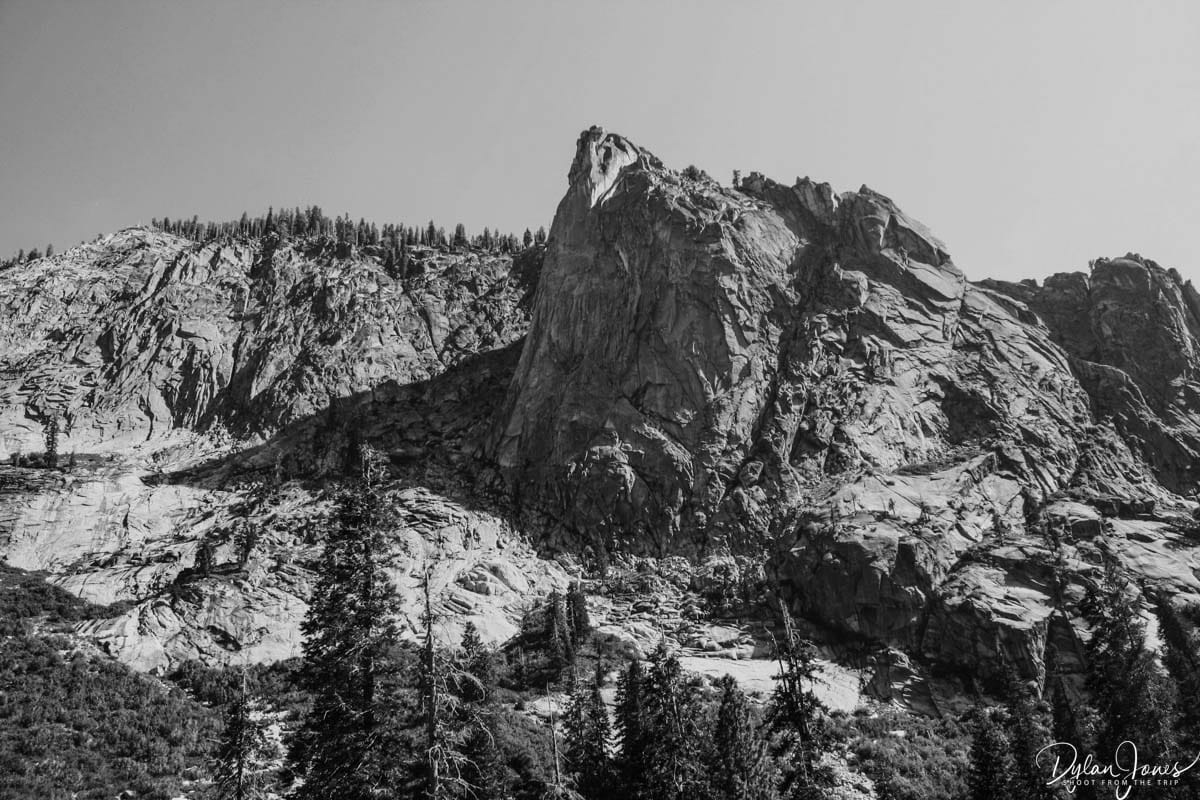
In contrast to most of the hikes above, the Tokopah Falls Trail leads away from the giant sequoias, following the Marble Fork of the Kaweah River to the spectacular Tokopah Falls, with some amazing scenery along the way including some fabulous views of the jagged mountain peaks heading into Kings Canyon.
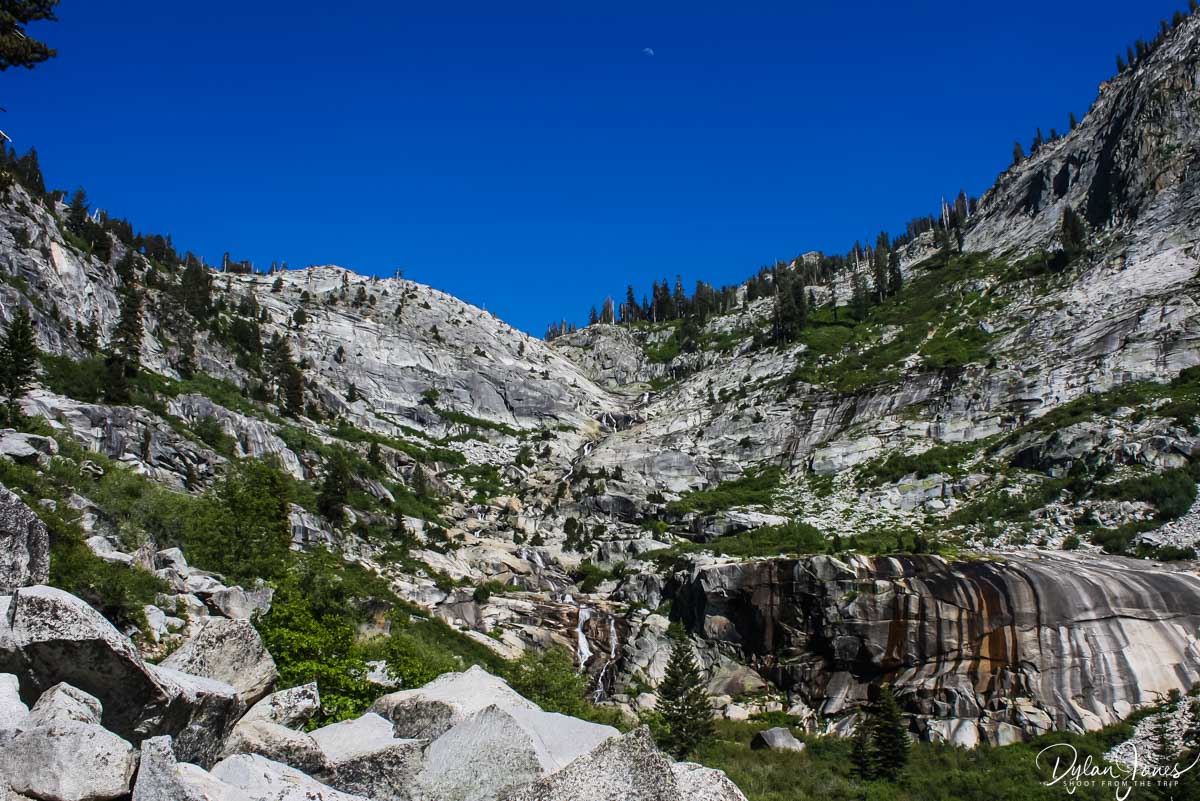
Starting at the Lodgepole Visitor Center, the trail is 1.7 miles one way, and is fairly easy with only a few sections that are a little tricky. The final ½ mile is quite rocky and involves making your way through some large boulders before the view opens up to the spectacular falls – at 1200 feet the tallest waterfall in Sequoia National Park. Unlike other free-falling waterfalls, the Tokopah Falls cascades down the canyon side.
Prepare for wildlife encounters when visiting Sequoia National Park
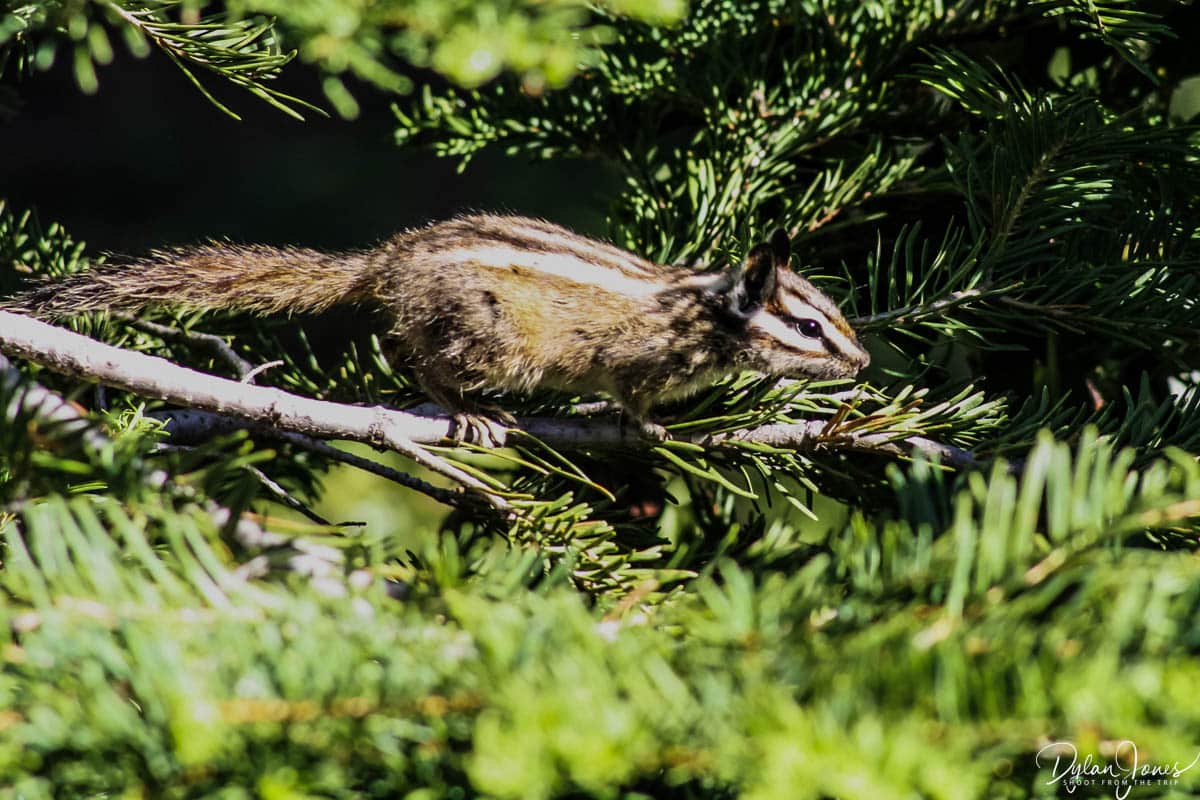
Here’s a little story about our return journey from Tokopah Falls. When you are wandering through the wilderness, there always something rustling in the undergrowth and this is no different when visiting Sequoia National Park. You get used to it. During this hike we encountered some chipmunks, some squirrels, a snake of some description and a beaver proudly sitting on a rock. Not bad for a relatively short hike.
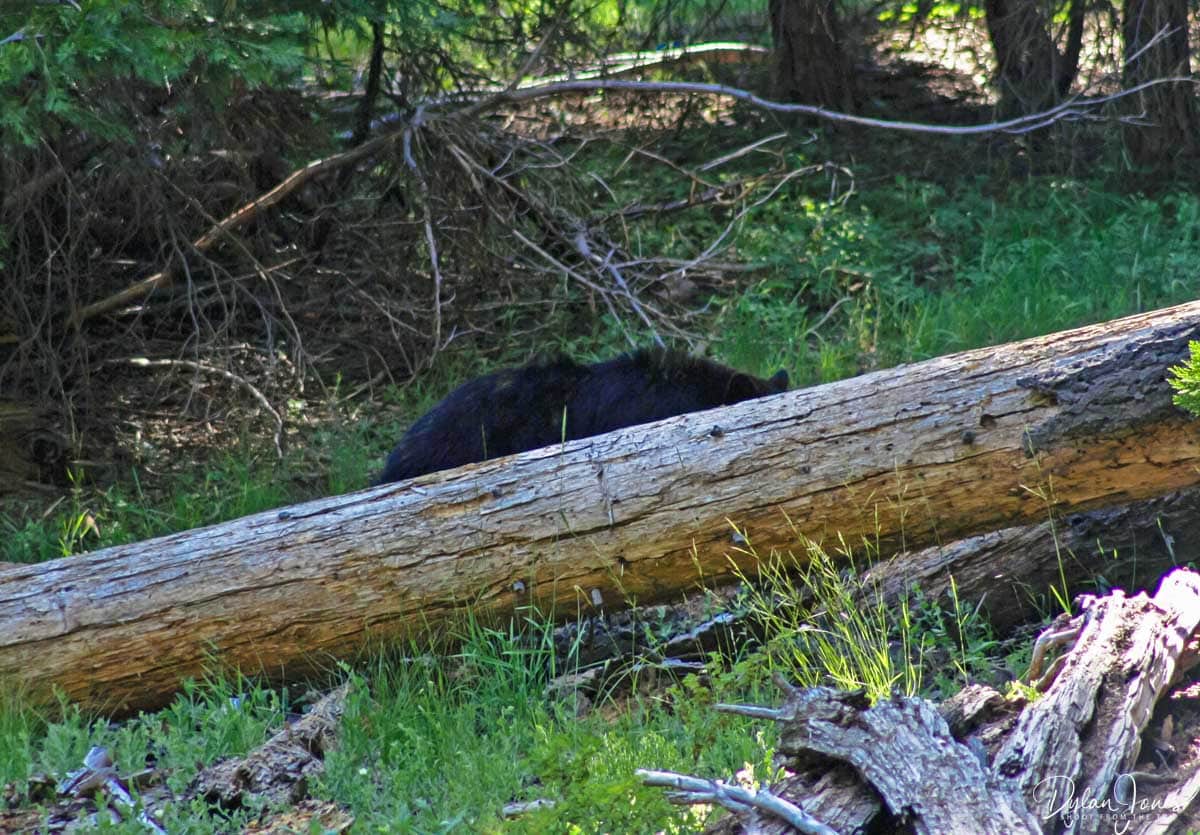
Heading back to the Lodgepole Visitor Center, we noticed a few people just ahead of us had come to a complete stop and were standing around silently. As we approached them, and followed their gazes off to the left, we realised why they had stopped. A bear. A real life, adult black bear, just off the main trail.
Bear Encounter
The bear was minding its own business, taking no notice of a bunch of gawping humans, but also didn’t seem in a hurry to be moving away from the trail either. Knowing from our intensive training in how to handle a bear encounter (a quick scan of the information provided in the hotel guest brochure), we stood quietly. The bear was not in attack mode (this is where you have to make yourself very loud and appear very big to scare them off). So there we stood, whispering to each other, all quite fascinated to be in this position.
We stood a while longer, and finally the bear wandered a little way further from the trail. This was our moment. Naturally, being very brave, we let a man with a baby strapped to his back go first. He looked young and fit, he could run quicker than us if he needed to. We all walked quietly and slowly past the section of trail that the bear had been wandering, and continued back excitedly. I grabbed a quick and blurry snap, which will never catapult me into the stratospheric levels of a wildlife photographer.
Night sky photography at Sequoia National Park
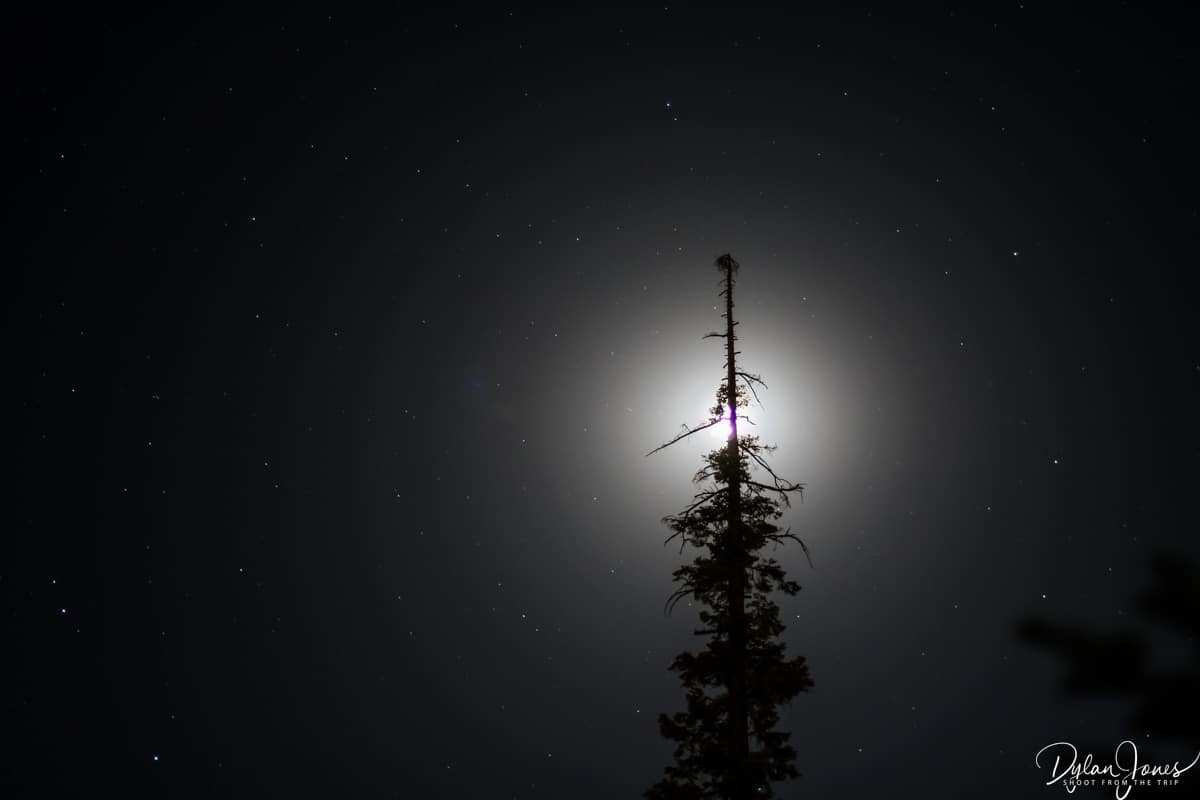
The advantage of staying in a remote national park location is the clear night sky for photography. I had looked forward to taking my camera and tripod out late in the evening to capture some shots of the sky, and maybe some star trails.
The disadvantage of being in a remote national park location however, are those pesky aforementioned black bears.
Following our chance meeting on the Tokopah Falls Trail, I didn’t much fancy wandering the darkness with my camera and tripod in tow. Every rustle in every bush had me nervously jumping, so I chose to stay in the relative safety of the parking lot of the Wuksachi Lodge. Despite some artificial light, the moon was out, the sky was clear and after many failed attempts I think I managed to get a photo that I was very pleased with.
Useful Information for visiting Sequoia National Park
If you are considering visiting Sequoia National Park, the ideal transportation is by car. The vast size of the park combined with Kings Canyon National Park, means driving is really the best option to explore the area. Whilst there is public transport and shuttles within the parks, there’s a lot more planning involved.
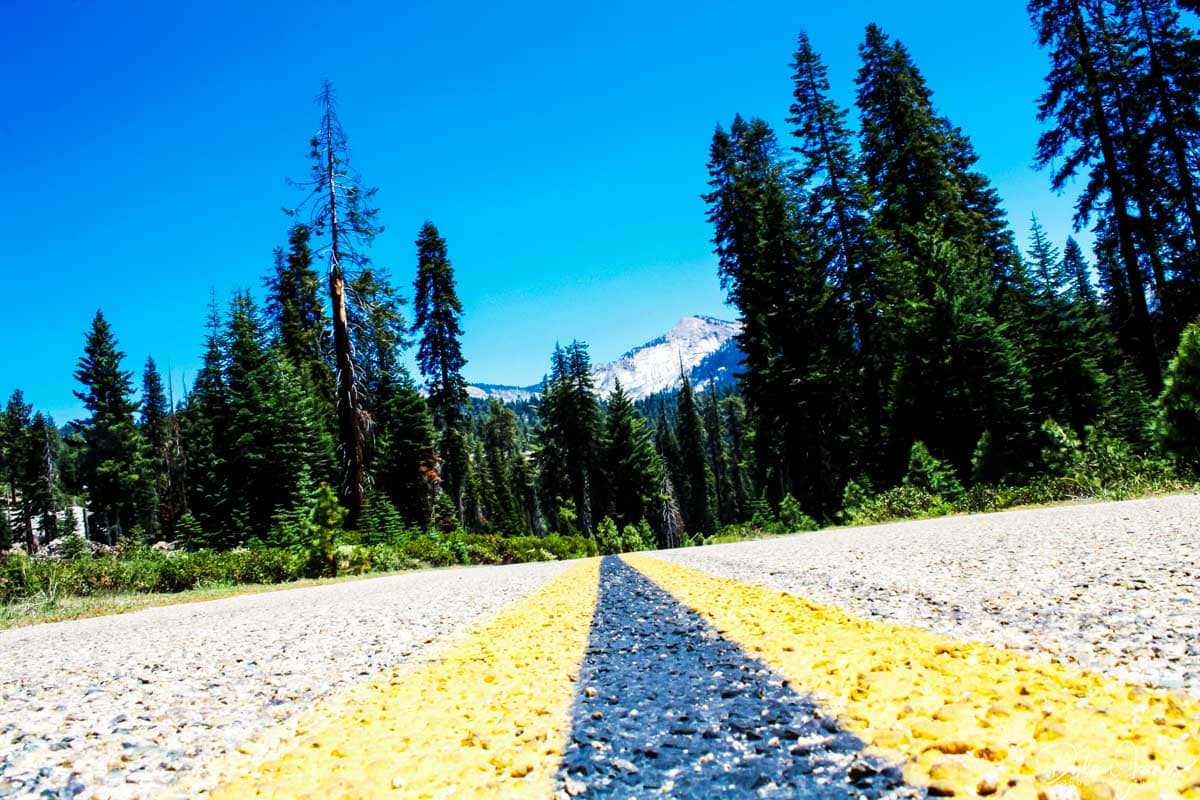
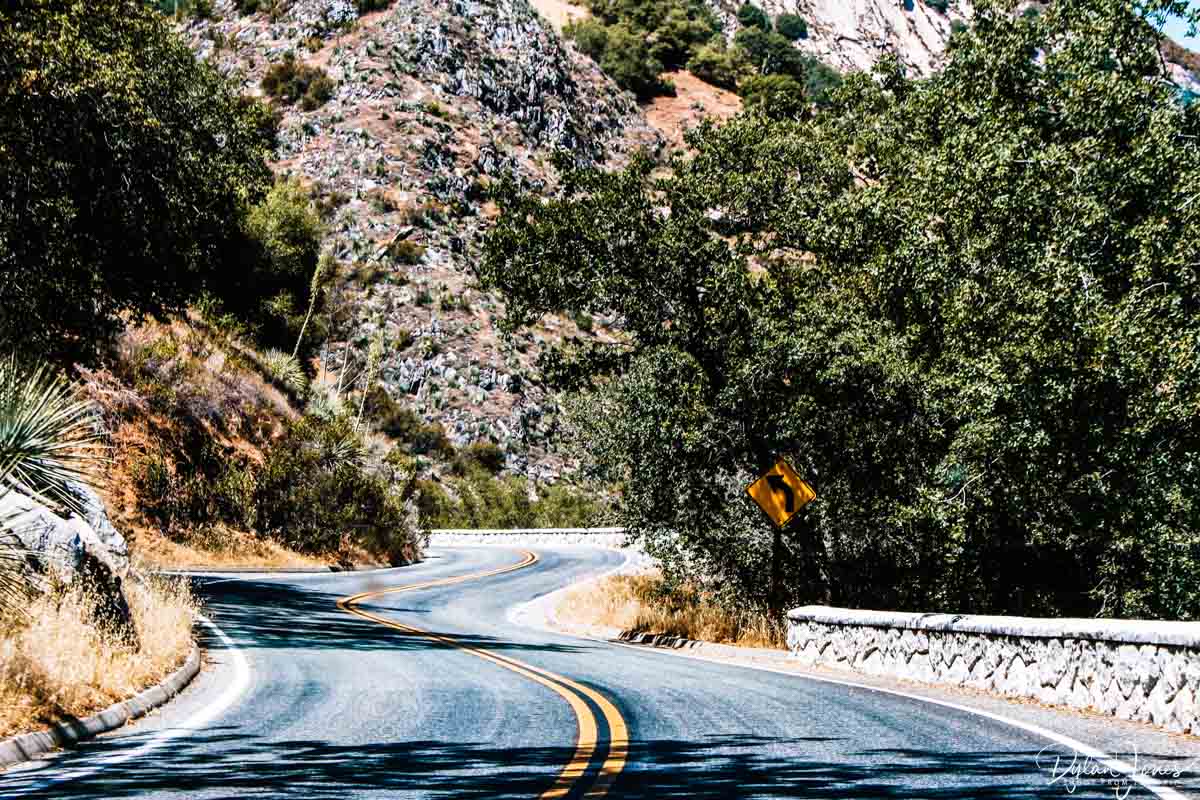
By car, Sequoia National Park is accessed from the western side only, via the 180 from Fresno or the 198 from Visalia. We have always taken the more southern route from Visalia, passing by Lake Kaweah and onto General’s Highway. It’s a fabulous and scenic route, with numerous stopping points even before you get into the national park.
Book car hire with EUROPCAR
For our California road trips, we have flown into both San Francisco and Los Angeles. The distance to Sequoia National Park from either location is similar, and a visit can be easily be slotted into a California road trip from either city.
While there are plenty of accommodation options, Wuksachi Lodge is the signature accommodation for Sequoia National Park, and I wouldn’t always use it as the base for exploring.
Book a room at Wuksachi Lodge on EXPEDIA
RELATED CONTENT
Considering a California road trip? You’ll be spoilt for choice with the amazing destinations within this awesome USA state.
A HOP ON – HOP OFF SAN FRANCISCO SIGHTSEEING TOUR: THE BEST WAY TO EXPLORE THE CITY
12 SCENIC STOPS ON THE PACIFIC COAST HIGHWAY
THE BEST PLACES TO VISIT IN CALFORNIA’S EASTERN SIERRA
TOP THINGS TO DO IN YOSEMITE NATIONAL PARK ACROSS THREE DAYS
SOCIALS
If you enjoyed this article and found it useful please leave a comment in the box below or Pin one of the images below to PINTEREST.
For regular photo updates on my travels, follow my account on INSTAGRAM.
Scroll down (on mobile) to subscribe and get new post alerts directly to your inbox. If you’re on desktop, head to the right hand sidebar and pop in your email address.






California has so much to explore that I’ve not yet seen! This place looks amazing and I hope to go someday. I was terrified of meeting a bear in Yellowstone. It’s probably smart not to wander off into the dark alone!!
Oh, if/when you’re ever out to that part of the world again, some of the national parks in southern Utah are terrific for stargazing. Bryce Canyon even does an astronomy night with high-powered telescopes as I think it has one of the dark sky designations. And not too much fear of bears! (Only rattlesnakes and cougars, but I’ve been many times and never seen either one!)
I’d love to go to Bryce Canyon. I’ve been to the deserts a couple of times but there’s a few more places I want to see!
Excellent photos! Enjoyed reading your experience.
Thank you
[…] Check out Dylan’s post on being surrounded by Giants […]
[…] of the Pacific Coast Highway, the mountains of Yosemite National Park and the giant forests of Sequoia National Park, the sunshine state has a little bit of everything to offer. The other major landscape that I […]